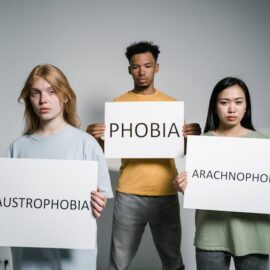
Your hands shake before you order coffee. You rehearse a text message four times before sending it. You skip the party, not because you don't want to go, but because the thought of walking into a room full of people makes your chest tighten and your mind go blank. If that sounds familiar, you're not just shy. You might be living with social anxiety disorder, and it's one of the most common yet misunderstood anxiety conditions we see.
People often use "shy" and "socially anxious" interchangeably, but they describe very different experiences. Shyness is a personality trait. Social anxiety disorder is a diagnosable condition that can interfere with school, work, relationships, and daily errands most people never think twice about. It shares some biological roots with other anxiety conditions, including the one we cover in our guide to generalized anxiety disorder, but social anxiety has its own distinct triggers and treatment path.
At Healthy Minds Utah, we hear from families across the state who aren't sure whether what they're seeing is a quiet kid or a kid who's quietly struggling. As our resource coordinator Raymond Sterling often tells families, waiting rarely makes the fear smaller. Early intervention makes a real difference here, and understanding the difference between shyness and a disorder is the first step toward getting the right kind of help.
Shyness vs Social Anxiety: How Are They Different?
Shyness is discomfort in new social settings that usually fades once a person warms up. Social anxiety disorder is a persistent, intense fear of being watched, judged, or embarrassed that doesn't fade with familiarity, and it often triggers physical symptoms like a racing heart, sweating, or nausea before an event even starts.
According to Mayo Clinic, social anxiety disorder involves intense fear of social situations, especially ones where a person feels they'll be scrutinized or negatively evaluated by others. A shy person might feel awkward at a party and still enjoy themselves once they settle in. A person with social anxiety disorder might cancel the invitation days in advance, replay the decision for hours, and feel physically ill at the thought of going. The distinction matters because shyness rarely needs formal treatment. Social anxiety disorder, left alone, tends to get heavier over time.
What Causes Social Anxiety?
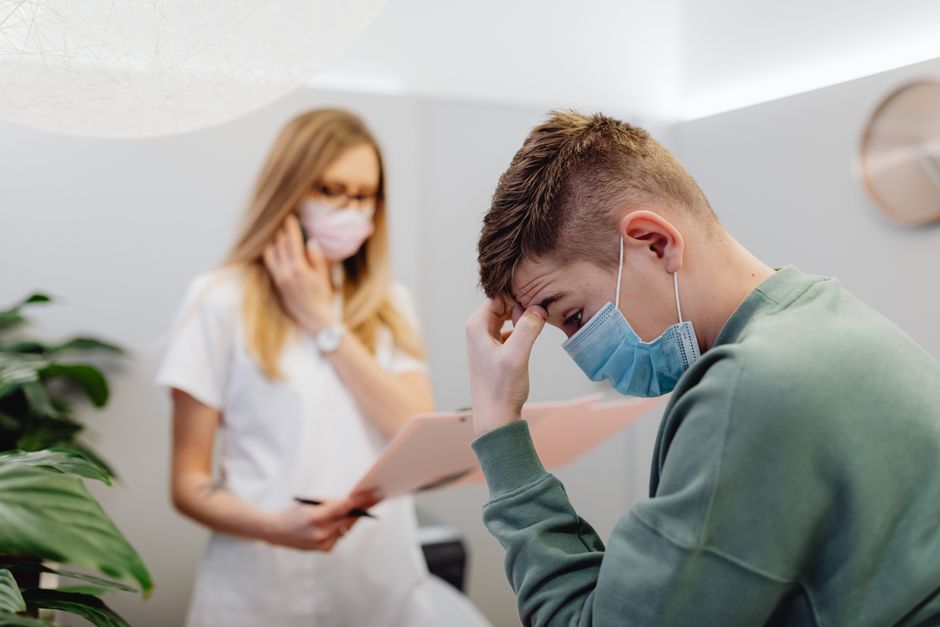
Social anxiety disorder develops from a mix of genetics, brain chemistry, and life experience. Researchers point to overactivity in the amygdala, the brain's fear-response center, combined with learned patterns from childhood teasing, bullying, family conflict, or overprotective parenting. No single cause explains every case, and most people carry a combination of factors.
Twin studies suggest a hereditary component, meaning social anxiety can run in families, but genetics alone rarely tell the whole story. A child raised in a household where anxiety was normalized, or one who experienced a humiliating social event at a vulnerable age, can develop the same fear response as someone with a stronger genetic predisposition. Detect symptoms early and the brain has more room to learn new patterns before avoidance becomes the default response to every social situation.
"Social anxiety disorder affects an estimated 12.1% of U.S. adults at some point in their lives, making it one of the most common anxiety disorders in the country."

What Are the Types of Social Anxiety?
Clinicians generally sort social anxiety into two broad patterns. Performance-only social anxiety is triggered by specific situations, like public speaking or eating in front of others, while day-to-day interactions feel fine. Generalized social anxiety touches nearly every social interaction, from ordering food to making small talk with a coworker, and tends to have a bigger impact on daily functioning. Within those patterns, the specific triggers vary widely from person to person:
- Public speaking or presenting in meetings
- Eating, drinking, or writing in front of others
- Making phone calls, especially to strangers
- Starting or maintaining conversations with new people
- Being the center of attention, even briefly
- Attending parties, networking events, or group gatherings
- Using public restrooms or dressing rooms
- Returning items or asking questions in stores
What's the Difference Between a Panic Attack and an Anxiety Attack?
An anxiety attack tends to build gradually, often as dread mounts before a social event, and includes symptoms like a knotted stomach, racing thoughts, and muscle tension. A panic attack peaks fast, usually within ten minutes, and can include a pounding heart, shortness of breath, dizziness, or a fear that something is seriously wrong physically. People with social anxiety disorder can experience either, though sudden panic attacks tend to happen when avoidance isn't an option and the feared situation is already underway.
When Anxiety Runs Deeper Than a Social Trigger
Social anxiety rarely travels alone. In our work connecting Utah families to care, we've seen social anxiety overlap with depression, panic disorder, and trauma responses often enough that a single screening rarely tells the whole story. If withdrawal has come with low mood, hopelessness, or a loss of interest in things that used to matter, it's worth reading our guide on recognizing major depression alongside this one. And for people whose social fear traces back to a specific frightening event, rather than a lifelong pattern, the root cause might be closer to what we describe in our piece on trauma and PTSD than classic social anxiety disorder.
Faith plays a real role for a lot of the families we work with here in Utah. Scripture and prayer can offer genuine comfort alongside treatment. Many people search for bible verses about anxiety, like Philippians 4:6-7 or 1 Peter 5:7, as a source of grounding during hard weeks. We'd never tell someone to set that aside. But we also want to be honest: faith and clinical care aren't competitors, they work better together. A verse can steady you in the moment. A validated screening and a licensed therapist can address the pattern underneath it.
What Does Social Anxiety Treatment Actually Involve?
Most effective treatment for social anxiety combines therapy, and sometimes medication, with structured practice facing feared situations in small, manageable steps. Cognitive behavioral therapy is the most researched approach, and it works by identifying the automatic negative thoughts driving avoidance, then testing them against reality through gradual exposure.
A typical course starts with mapping out feared situations from least to most distressing, then working through them one at a time with a therapist's support. Along the way, a validated screening tool like the GAD-7 helps track whether anxiety is easing or whether the approach needs adjusting. In our practice connecting people to providers, we've seen board-certified clinicians pair exposure-based CBT with brief counseling for milder cases, reserving medication for situations where symptoms are severe enough to block someone from starting therapy in the first place.
"Psychotherapy, particularly cognitive behavioral therapy, teaches you different ways of thinking about, behaving in, and reacting to social situations that help reduce your anxiety."
Can Social Anxiety Be Cured?
"Cured" isn't quite the right word, but social anxiety disorder is highly treatable, and most people see meaningful, lasting improvement. Research on early intervention shows it can cut the odds of severe, chronic outcomes by roughly half compared to a wait-and-see approach, which is exactly why we push families toward screening sooner rather than later.
Timelines vary, but a realistic picture looks something like this. Many people notice small shifts, like getting through a phone call without rehearsing it first, within four to six weeks of starting structured therapy. A full course of CBT for social anxiety typically runs twelve to twenty weeks, with the most noticeable gains showing up in the second half of treatment as exposure work builds momentum. Some people stay in occasional booster sessions for months afterward, not because they've relapsed, but because maintaining new habits under stress takes practice. Untreated social anxiety, by contrast, tends to move the opposite direction. Avoidance narrows a person's world a little more each year, and what started as skipping one party can turn into skipping job interviews, medical appointments, or opportunities that mattered.
Practical Ways to Ease Social Anxiety Day to Day
None of these replace professional support, but they help while you're working toward it, and they help afterward too:
- Practice the situation in low-stakes settings first, like ordering coffee alone before tackling a networking event.
- Use grounding techniques, like naming five things you can see, when physical symptoms spike before a social event.
- Prepare a few conversation starters ahead of time so you're not improvising under pressure.
- Limit safety behaviors, like scripting every sentence or avoiding eye contact, since they reinforce the fear over time.
- Track small wins in a notebook, even ones as small as staying five extra minutes at a gathering.
- Take a validated screening, such as a GAD-7, and bring the results to a first appointment as a starting point.
Social anxiety disorder can make ordinary life feel like a performance you never auditioned for, but it responds to treatment, and it responds well. If what you've read here sounds like your own experience, or someone you love, don't navigate alone. Healthy Minds Utah exists to connect you with Healthy Minds Utah's screening and referral network, at no cost and no judgment, so the next step doesn't have to be one you figure out by yourself.